
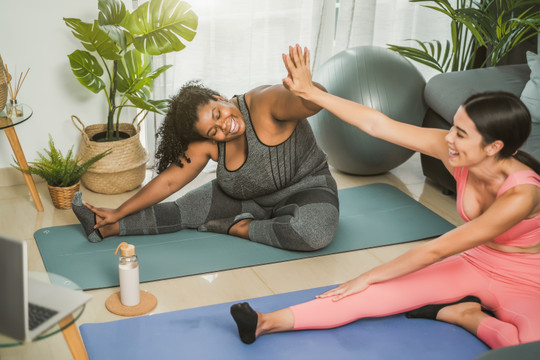
Busy adults seeking wellness often push through the same daily health challenges: afternoon crashes, tight hips and shoulders, restless nights, and stress that lingers long after the workday ends. The frustrating part is that these issues can feel unrelated, even when they’re connected from head to toe. Small, consistent head-to-toe health routines help the body feel steadier by supporting flexibility and sleep benefits while reinforcing stress management basics. The payoff is a calmer baseline, better energy, and fewer “why do I feel off?” days.
Quick Summary
- Start mornings with gentle stretching to loosen your body and improve daily mobility.
- Drink water regularly to support energy, digestion, and overall body function.
- Build restorative sleep habits to boost mood, focus, and physical recovery.
- Practice daily oral hygiene and protect your skin to support long-term health.
- Add mindfulness exercises and social connection to strengthen mental wellbeing and reduce stress.
Daily Rituals for Head-to-Toe Wellness
Try these repeatable habits to build steady momentum.
Small, consistent actions compound into real mental and physical health gains, especially when you keep them simple enough for busy days. Use these head-to-toe practices as anchors you can return to daily or weekly, then adjust intensity and timing as your energy and schedule change.
Two-Minute Morning Stretch Reset
- What it is: Do gentle neck, shoulder, hip, and calf stretches after getting out of bed.
- How often: Daily
- Why it helps: Loosens stiffness and primes your body for easier movement.
Water-Then-Caffeine Rule
- What it is: Drink a full glass of water before coffee, tea, or energy drinks.
- How often: Daily
- Why it helps: Supports hydration early, which can improve mood and focus.
Breath Break Between Tasks
- What it is: Take 10 slow breaths when you switch activities or open your inbox.
- How often: Daily
- Why it helps: Lowers stress signals and helps you respond more calmly.
Two-Minute Brush and Floss Pairing
- What it is: Brush, then floss, and finish with a quick tongue clean.
- How often: Daily
- Why it helps: Builds a reliable oral-care baseline with minimal time.
Sunscreen as the Final Step
- What it is: Follow “apply sunscreen daily, final step, skin-care routine” in your morning routine.
- How often: Daily
- Why it helps: Protects skin from cumulative sun damage over time.
Weekly Reach-Out Message
- What it is: Send one genuine check-in text to someone you care about.
- How often: Weekly
- Why it helps: Reduces isolation and strengthens supportive connections.
Pick one habit today, make it easy, and tailor it to your family’s rhythm.
Build a Morning Stretch + Bedtime Wind-Down Plan
These two mini-routines help you loosen stiff spots in the morning and set your nervous system up for deeper rest at night. For busy adults, the win is consistency: short, repeatable actions that support both physical comfort and a calmer mind.
- Step 1: Pick your “minimum routine” for mornings and nights. Choose a tiny baseline you can do even on hectic days: 2 to 3 minutes after you get up and 5 to 10 minutes before bed. Decide when it will happen (right after the bathroom in the morning, right after brushing teeth at night) so it has a reliable cue. This removes decision fatigue and makes follow-through more likely.
- Step 2: Do a quick head-to-toe morning stretch sequence. Start standing tall or seated on the edge of the bed: slow neck turns, shoulder rolls, a gentle side bend, then a hip hinge forward fold with soft knees. Finish with calf stretches by leaning into a wall or stepping one foot back and pressing the heel down. The point is an easy range of motion, not intensity, and stretching in your daily morning routine can help you feel more awake without forcing your body.
- Step 3: Add one flexibility “booster” you can repeat. Choose one move that targets your tightest area and do it for 30 to 60 seconds per side: a doorway chest stretch for desk shoulders, a kneeling hip flexor stretch for tight hips, or a lying figure-four stretch for glutes. Keep it gentle and steady, breathing slowly through the discomfort. Repeating the same booster for a week makes progress easier to notice.
- Step 4: Set up a calming bedtime routine that reduces friction. Prepare your sleep environment first: dim lights, silence notifications, and set out anything you need for tomorrow so your brain stops “tracking tasks.” Do 3 to 5 minutes of easy stretches on the floor or in bed, then finish with slow breathing (inhale 4, exhale 6 for 10 rounds). A research review reported an 8.88% improvement in sleep efficiency, which is a helpful reason to keep bedtime movement light and consistent.
- Step 5: Track two signals and adjust, not overhaul. Each morning, note two quick markers: how stiff you feel (low, medium, high) and how rested you feel (low, medium, high). If you are more stiff, extend your morning sequence by 60 seconds; if you are less rested, start your wind-down 10 minutes earlier and reduce screens. Small tweaks keep the routines doable without turning them into a project.
Keep it simple today, and your body will start expecting ease and rest.
Quick Answers to Common Wellness Questions
A few quick clarifiers can make your routines feel easier to stick with.
Q: What are some easy stretching exercises I can do every morning to improve flexibility and reduce stiffness?
A: Try a 3-minute flow: neck circles, shoulder rolls, gentle side bends, then a slow forward fold with soft knees. Add a calf stretch at the wall and a simple hip opener like a seated figure-four. Move at “comfortable tension,” not pain, and aim for steady breathing.
Q: How can establishing a consistent bedtime routine enhance the quality of my sleep and overall well-being?
A: A predictable wind-down cues your brain that it is safe to power down, which can lower stress-driven alertness. This matters because Americans report disrupted sleep due to stress, so even small routines can protect rest. Keep it simple: dim lights, stretch lightly, and do slow exhales.
Q: What simple mindfulness or breathing techniques are effective for managing daily stress and anxiety?
A: Use “physiological sighs” for 1 minute: inhale, top up with a short second inhale, then exhale long and slow. Or try box breathing 4 seconds in, hold 4, out 4, hold 4 for 4 rounds. Pair it with a cue like sitting in your car before work.
Q: How does maintaining proper hydration throughout the day impact my physical and mental health?
A: Mild dehydration can show up as fatigue, headaches, and fogginess that makes stress feel louder. Keep a bottle visible and take 6 to 10 sips at natural transitions like after bathroom breaks and before meals. If plain water feels boring, add citrus slices.
Q: If I’m feeling stuck or overwhelmed in life, what steps can I take to gain new skills or direction that support both my mental well-being and future opportunities?
A: Start with a small reset: write one worry, one value, and one next action you can do in 15 minutes. Build momentum by choosing a single skill to practice weekly and track it gently, since the median time for habit formation is longer than most people expect. If the uncertainty is tied to career direction, make it concrete by outlining one realistic path (including time, cost, and prerequisites), for example, exploring cyber security as a defined skills track, then picking the smallest next step you can complete this week.
Pick one habit you can repeat tomorrow, and let consistency do the heavy lifting.
One Small Daily Habit That Builds Head-to-Toe Wellness
It’s easy to want better health in every area and still feel stuck when stress, fatigue, and busy days pile up. The path laid out here is a simple mindset: focus on daily health strategy adoption through small, steady choices that support your body from head to toe. When those choices repeat, the holistic well-being benefits show up as calmer energy, clearer focus, and stronger long-term wellness motivation. Small habits, done daily, become the foundation of well-being. Choose one strategy that felt easiest and commit to it once today, then repeat it through the week. That self-care commitment matters because small wins create resilience you can rely on, even when life gets hectic.